Dubai Energy-Saving Renovation 2026 — Cut DEWA Bills Without Sacrificing Comfort

A teacher-style guide to Dubai energy saving renovation 2026 — built for real villas, apartments and offices in Dubai (JVC, Dubai Marina, Dubai Hills, Arabian Ranches, Palm Jumeirah, Business Bay and beyond). If your goal is to reduce DEWA bill Dubai without living like a monk, you’re in the right place.
July and August in Dubai have a special talent: they turn a normal home into a heat machine. And then comes the moment every owner knows — you open the bill and think: “How did it get this high?”
Most people assume the only answer is “use less.” But a smarter answer exists: renovate the parts of the home that leak energy. Not the glamorous upgrades — the ones that quietly drain your dirhams every day: poorly sealed doors, tired AC ducts, hot windows, weak roof insulation, and lighting that stays on longer than it should.
This guide is educational, not a sales pitch. Every table includes an “estimated” label for a reason: prices and rules vary by community, tower management, and scope. Where possible, we link to official sources so you can verify guidance yourself.
Start With Numbers (Not Guessing) — Then Choose the Right Renovation Path
Energy upgrades work best when planned like a scope: what is allowed, what needs approvals, what has the fastest ROI, and what you can bundle with a normal renovation. Explore the relevant pages below (no pressure — just clarity):
0) Quick Summary — 3 Upgrades That Usually Show the Fastest Impact
If you want a fast start (without tearing your home apart), begin here. These are the upgrades most Dubai residents can do with minimal disruption — and they pair perfectly with a normal renovation scope.
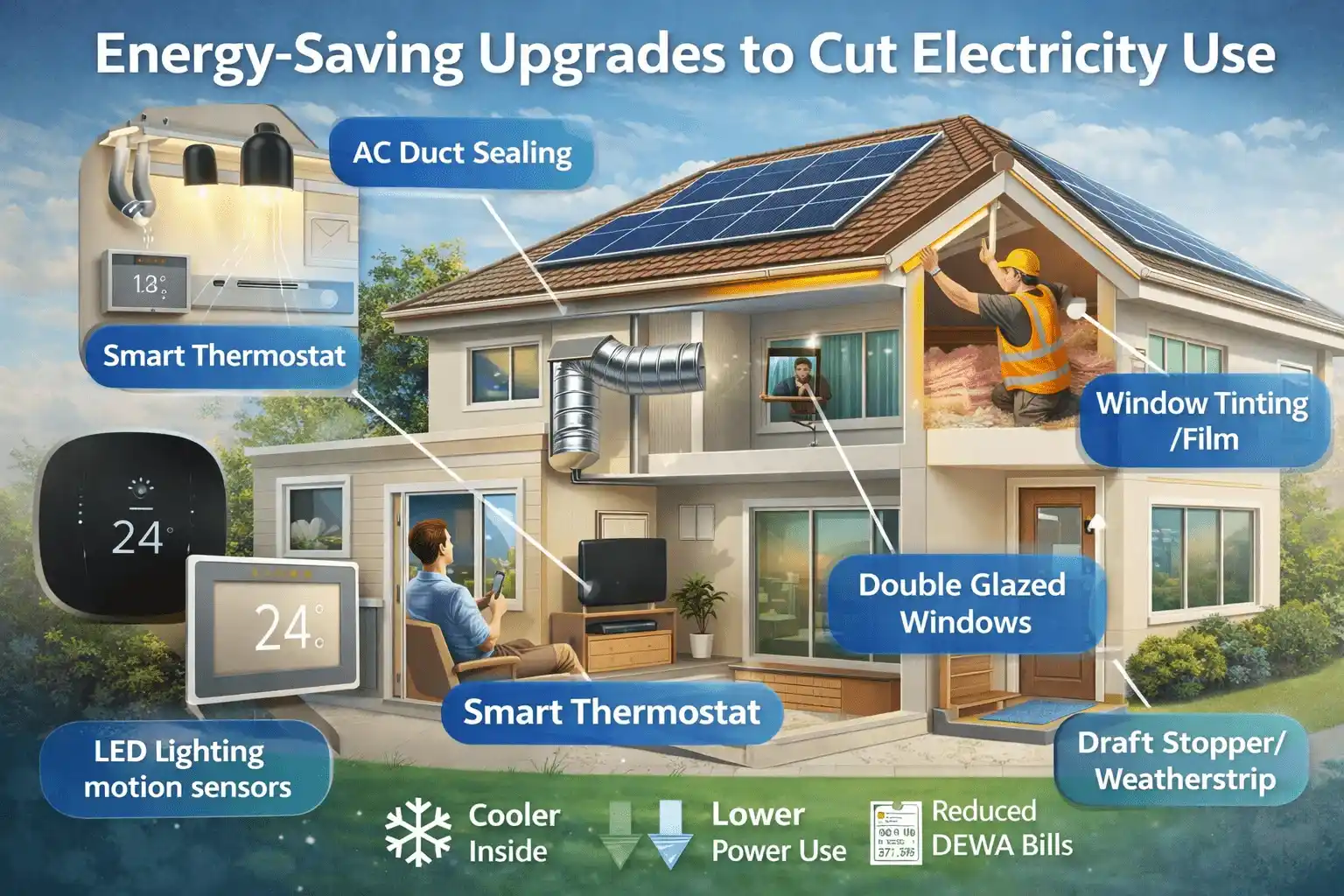
| Fast Upgrade | Why It Works | Estimated Cost (AED) | Savings Potential (Method-Based) |
|---|---|---|---|
| AC service + filter cleaning + basic duct sealing | Cooling efficiency improves when airflow is clean and leakage is reduced. | ~ 350 – 2,500* | Often noticeable within 1 billing cycle (depends on AC condition + usage). |
| LED swap + motion sensors | Stops “invisible waste” from lights left on in corridors, bathrooms, pantry, storage. | ~ 250 – 2,000* | Quick payback in high-usage homes/offices. |
| Smart thermostat schedules | Prevents “AC running like it’s always July” when you’re away or asleep. | ~ 800 – 1,600* | Most valuable when AC is your biggest load. |
*Estimated ranges only. Real pricing depends on unit count, access, brand, and community rules. For official energy guidance, refer to DEWA’s published conservation tips: DEWA Environmental Awareness (Official) .
1) Why This Is Trending in 2026 (And Why Owners Feel the Pressure)
In 2026, Dubai’s “renovation conversation” is changing. The old mindset was: “renovation = tiles + paint.” The new mindset is: “renovation = comfort + performance + lower waste.”
- Summer bills feel heavier when cooling runs longer and harder.
- Tenants care about comfort (humidity, hot rooms, uneven cooling) more than fancy décor.
- Owners want predictable costs — fewer surprise “variations” after work starts.
- Dubai’s direction supports efficiency through awareness and long-term clean energy initiatives.
DEWA regularly publishes energy-saving guidance that focuses on practical behavior and efficient systems. For example, DEWA recommends a comfort-efficient thermostat approach (commonly around 24°C), and explains that small temperature changes can significantly affect cooling consumption. This is one reason the keyword AC efficiency upgrade Dubai is exploding in searches.
Credibility check (read yourself): DEWA’s official conservation guidance includes thermostat behavior and efficiency tips: DEWA energy-saving tips (official link) .
And yes — this trend is not just “homeowner talk.” Even business districts like DIFC, Business Bay and Downtown feel it, because longer operating hours amplify waste. A small efficiency fix in an office can matter more than people expect.
2) “AC is the King” — The DEWA-Style Thermostat Rules + The Mistakes Owners Make
Let’s be blunt: in Dubai, AC is not a luxury. It is the largest slice of your electricity story. So the fastest path to reduce DEWA bill Dubai usually starts with AC behavior + AC health.
AC Rules That Work in Real Dubai Homes (Comfort-First, Not Extreme)
- Don’t fight physics: if your home is leaking air, the AC will run like it’s on punishment.
- Thermostat discipline: use a sensible setpoint and avoid rapid “down-up-down” changes.
- Filters matter: clogged filters reduce airflow and force longer runtime.
- Seal the weak points: door gaps, balcony sliders, and loose weather strips.
- Upgrade smartly: a smart schedule can reduce waste without making the home uncomfortable.
DEWA’s public guidance highlights how thermostat choices affect consumption. Instead of guessing, treat it like a small experiment: hold one setpoint for a week, then compare your daily pattern. If you want a neutral reference, start with DEWA’s published tips and build from there: DEWA Environmental Awareness (Official) .
Teacher note: this blog avoids fake promises. Your savings depend on AC condition, insulation, occupancy, humidity and operating hours. The goal is to give you a planning method, not a fantasy number.
3) The ROI Table (Must-Have) — Cost vs Saving Potential vs Payback Time
Below is the “decision table” most homeowners wish they had before spending money. Use it as an education tool — and if a contractor pushes a high-cost upgrade with weak payback logic, you’ll spot it fast.
| Renovation Upgrade | Cost (Est.) | Saving Potential (Typical Ranges) | Payback Time (Typical) | Best For |
|---|---|---|---|---|
| Smart thermostat | Low (AED 800–1,600) | ~10–15% of AC-related waste (varies) | ~6–12 months* | Apartments + villas (DEWA AC billing) |
| LED lighting full home + motion sensors | Low (AED 250–2,000) | ~5–10% of lighting waste (depends on usage) | ~3–8 months* | Homes + offices with long hours |
| Window tinting / film | Medium (AED 900–4,500) | ~5–15% cooling load reduction (building dependent) | ~10–24 months* | Sunny exposures, glass-heavy units |
| Door sealing / weatherstrip | Low (AED 120–650) | Stops leakage-driven runtime (often underrated) | ~1–6 months* | Apartments + villas |
| Roof/ceiling insulation (villa focus) | High (AED 8,000–35,000+) | ~15–30% cooling load reduction (scope dependent) | ~2–4 years* | Villas with hot top-floor/roof gain |
*Educational estimates only. Your real payback depends on how much you cool, your insulation quality, and your billing type. Always verify community rules and supplier specs. For official energy-saving guidance, consult DEWA’s published tips: DEWA official link.
4) Villa vs Apartment — The “Killer” Segmentation Most Blogs Forget
This is where most energy-saving advice becomes useless — because not all upgrades are allowed everywhere. A villa owner in Dubai Hills can do things an apartment owner in Dubai Marina simply cannot. So we split it clearly.
4.1 For Villas (Roof + External Envelope Wins)
- Roof/ceiling insulation (high impact when top floor overheats).
- Roof thermal coating (where allowed by community rules).
- Double glazing upgrades (if community/facade rules allow).
- Solar water heating (where suitable and permitted).
- AC duct sealing + zoning (comfort + control).
4.2 For Apartments (Control + Sealing + Lighting Wins)
- Smart thermostats / smart schedules (especially if you’re out during the day).
- LED upgrades + motion sensors (bathrooms, corridors, storage).
- Draft stoppers and door seals (quiet but powerful).
- Curtains/blinds optimization (sun control without changing windows).
- AC servicing + filter discipline (the “unsexy” upgrade that works).
If you are planning a full refresh, energy upgrades can be bundled naturally into your renovation scope: Apartment renovation in Dubai · Villa renovation in Dubai. Bundling reduces disruption, and approvals are easier when the scope is documented properly.
5) “Chiller Free” vs DEWA AC vs District Cooling — Don’t Measure the Wrong Thing
One reason owners feel confused is because not every Dubai resident pays cooling the same way. If you’re in a “chiller-free” building, your DEWA bill may not reflect cooling load the way a villa does. If you’re under district cooling, cooling may be billed separately.
| Billing Type | What Usually Happens | What You Should Measure | Best Upgrades |
|---|---|---|---|
| DEWA electricity (typical villas + many apartments) | AC runtime shows strongly in electricity consumption patterns. | DEWA kWh trend + peak months comparison. | AC efficiency, sealing, insulation, windows, smart schedules. |
| District cooling (provider billed separately) | Cooling charges may appear outside DEWA electricity billing. | Cooling bill + comfort improvements + runtime reduction. | Zoning, sealing, smart controls, sun control, internal leakage fixes. |
| Chiller-free arrangements | Cooling cost may be included in rent/service charges (varies by contract). | Comfort + internal waste (lights, plug loads) + rules compliance. | LEDs, sensors, sealing, better curtains, smart habits. |
Always confirm your billing type from your tenancy contract or building management — and then apply the right measurement logic. This avoids the #1 mistake: doing expensive upgrades but tracking the wrong bill line.
6) Community / NOC Angle — What Usually Needs Approval vs What Usually Doesn’t
In Dubai, “what works” must also be “what’s allowed.” The fastest way to delay a project is ordering materials before checking community rules — especially for external items like windows, films, facade changes, and roof work.
| Upgrade | Often No Approval (Typical) | May Need Community NOC / Approval | Notes (Practical) |
|---|---|---|---|
| LED bulbs / fixtures (internal) | ✅ | — | Keep it internal; avoid altering common-area wiring without permission. |
| Smart thermostat / smart controls | ✅ | — | Usually internal. Confirm compatibility with HVAC type. |
| Door seals / weatherstrips | ✅ | — | Low risk and high value. |
| Window film / tint | — | ✅ | Many buildings restrict reflectivity/appearance. Ask management first. |
| Double glazing / window replacement | — | ✅ | Facade consistency rules often apply (especially towers and premium communities). |
| Roof insulation / roof coating (villa) | — | ✅ | Community guidelines vary. Get NOC before booking contractors. |
| AC unit relocation / external changes | — | ✅ | Usually approval-sensitive due to aesthetics and safety. |
If you want the approvals process explained step-by-step (with official bodies + community flows), use this guide: Dubai Renovation Approval Process Guide. And for the bigger 2026 rules picture: Dubai Renovation Rules 2026.
7) Case Study — A Simple Apartment Room (Method-Based “Before/After Bill Logic”)
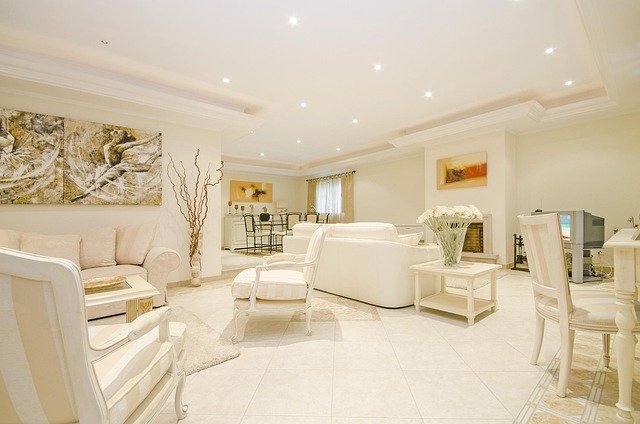
Instead of making fake claims like “your bill will drop by exactly X%,” we use a method you can copy. This case is a simple apartment room — the type of space you’ll find in JVC, Dubai Marina, JLT or Business Bay: warm afternoons, sun exposure, and AC that works harder than it should.
The “Bill Logic” Method (No Hype, Just Process)
- Step A — baseline: note 7–14 days of typical usage (setpoint, occupancy, AC hours).
- Step B — fix the basics: AC filter/service + seal door gaps + reduce sun load with curtains/blinds.
- Step C — add control: install smart schedules so AC isn’t running unnecessarily.
- Step D — measure fairly: compare similar weeks (not “cool week vs heat wave”).
- Step E — decide next: only then consider higher-cost upgrades like window film or glazing (if allowed).
Where Revive Hub helps (without drama) is scope clarity: we convert this plan into a renovation scope that is easy to approve and easy to price — so you avoid surprise “variations” later. If you want to bundle energy upgrades into a renovation, these pages are built for that: Apartment renovation · Villa renovation.
Share your photos + your biggest “hot spot” rooms — we’ll map a practical scope you can approve before you spend.
8) Offices: The Hidden Electricity Waste (2026 EEAT Upgrade Most People Ignore)
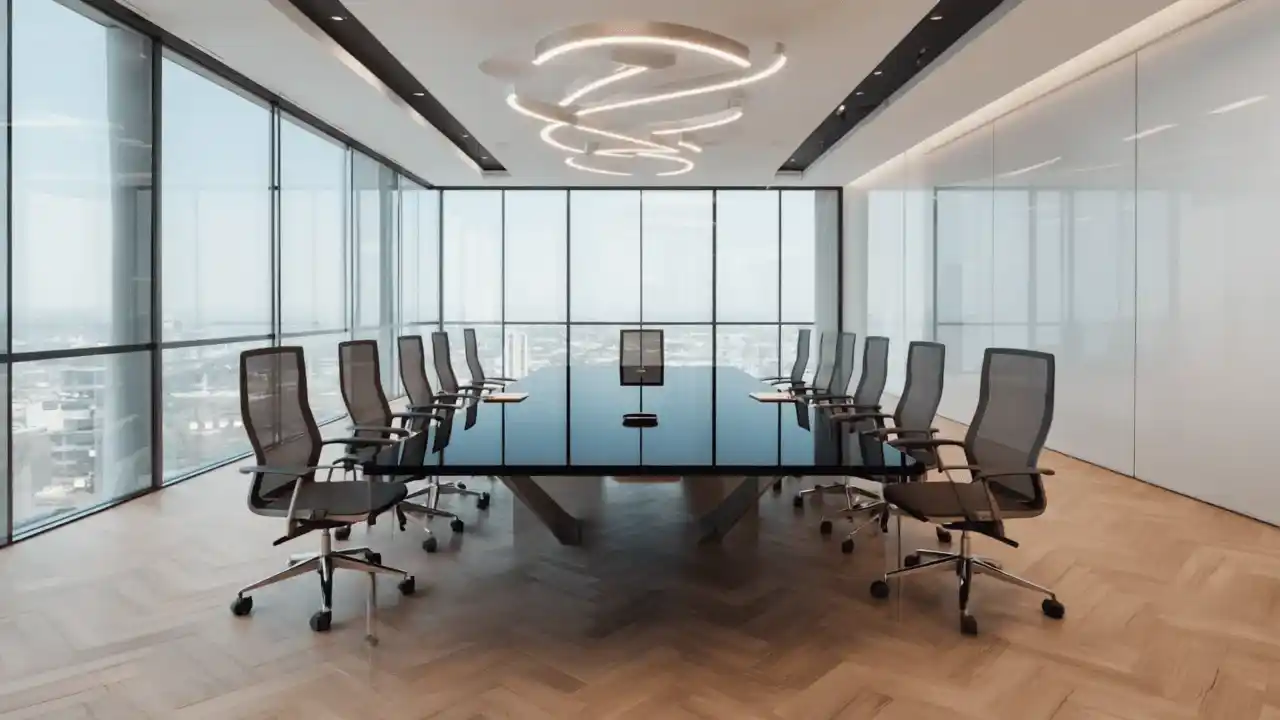
Offices often waste energy quietly: lights on in empty rooms, glass partitions leaking cool air, poor zoning, and AC running as if the office is always full. In Dubai business areas (DIFC, Business Bay, Downtown, JLT), long operating hours multiply this waste.
A smart fit-out is not only about aesthetics — it’s about planning comfort and control. If you want an example project flow, here’s a real Revive Hub office video (again: method-based, no fake bill claims):

If your office bill feels “mysteriously high,” the fix is usually not one big miracle — it’s zoning + sealing + lighting control + smarter operating hours.
9) AI Prompt Pack + Chatbot-Safe Q&A (So You Don’t Get Misled)
AI can help you organize questions — but it should not replace your community rules, NOC process, or technical inspection. To keep it safe, ask AI for checklists and comparisons, not “final answers.”
| Goal | Copy-Paste Prompt | Why It’s Safe |
|---|---|---|
| Apartment allowed upgrades | “I live in a Dubai apartment. List energy-saving upgrades that do NOT require changing external windows or roof. Give a checklist and reasons.” | Requests a general checklist (no legal claims). |
| Villa high-impact upgrades | “I live in a Dubai villa. Create a priority list for sealing, AC efficiency, roof insulation, windows. Add a simple ROI reasoning table.” | Focuses on planning logic. |
| NOC questions | “Draft 8 questions I should ask my community management before window film / glazing / roof insulation work.” | Produces questions (not fake approvals). |
| Chiller-free vs DEWA | “Explain how to tell if my building is chiller-free, district cooling, or DEWA AC billed. Give steps to verify.” | Encourages verification, not assumptions. |
| Office energy waste audit | “Create a simple office energy waste audit checklist (lights, HVAC zoning, sealing, meeting rooms, schedule).” | General operational checklist. |
Chatbot safety rule: never treat AI output as “approval.” Use it to prepare questions, then confirm with your building/community rules. If you need a documented scope that’s approval-friendly, use: Revive Hub’s approvals guide.
📰 DEWA News Proof (2026): “Smart Tools” + 24°C AC Guidance
In Dubai, energy efficiency isn’t just homeowner talk — DEWA has actively encouraged residents to use “smart tools” and keep the AC set around 24°C for a comfort-efficiency balance. This matches the method in this guide: start with control (smart schedules + habits), then move to upgrades (sealing, lighting, insulation, windows).
Want to read the full DEWA news?
Source: Economy Middle East — DEWA Smart Summer Campaign (household energy efficiency).
10) Summary — The 2026 “Teacher” Way to Cut DEWA Bills
- Start with AC health + sealing (fastest comfort + waste reduction for many homes).
- Segment by property type — villa upgrades are not apartment upgrades.
- Confirm your billing type (DEWA vs district cooling vs chiller-free) before measuring ROI.
- Use the ROI table to avoid spending big on low-payback upgrades.
- Plan it like a scope — approvals get easier when scope is clear (and 3D visuals reduce mid-project changes).
Use it to sanity-check quotes, then request a free 3D preview to lock scope early.

🔗 Connect on LinkedIn · 🧾 Featured Profile
Jamshed has spent over a decade working on villa, apartment and office renovation projects across Dubai — from compact apartments in JVC to full villa upgrades in Dubai Hills, Arabian Ranches and Palm Jumeirah. His focus is on transparent budgeting, human-readable scopes and 3D-first planning so owners can decide with clarity, not pressure.
📅 Published: December 24, 2025 · Last Updated: December 24, 2025 (GMT+4 Dubai)

Nayab Zahra brings a rigorous architectural discipline to renovation planning. A graduate of the London School of Design & Technology, she specializes in hyper-realistic visualization using 3ds Max, V-Ray, and Lumion. At Revive Hub, she supports the “First See, Then Pay” workflow by converting homeowner ideas into build-ready 3D previews that work like a visual scope.
✅ Reviewed: December 24, 2025 · (GMT+4 Dubai)
FAQs — DEWA Bill Cut Renovation 2026 (Dubai)
If your cooling cost is mainly in DEWA electricity, the fastest wins are usually AC servicing + sealing air leaks, LED upgrades (plus motion sensors), and smart thermostat schedules. If you are in a chiller-free or district cooling setup, measure the correct bill type first — then prioritize comfort and internal waste reduction.
Yes — especially because AC is often the biggest load. DEWA publishes practical conservation guidance for residents, including thermostat behavior and efficiency tips. Use official references as a baseline, then adjust for your home’s reality: DEWA official link.
Many chiller-free arrangements handle cooling charges through building service charges or rent (varies by contract), while district cooling can be billed separately by the cooling provider. DEWA electricity billing usually reflects AC load more directly. Confirm your setup with building management before you calculate ROI.
Often yes — external appearance and roof work can be approval-sensitive. Internal upgrades like LED, sensors, and smart thermostats are typically easier. Use the approvals guide to avoid delays: approvals process guide.
Yes. Offices often waste energy through poor zoning, lighting left on, and leakage through partitions/doors. A smart fit-out improves comfort and reduces waste — especially in long-hour districts like Business Bay, Downtown, DIFC and JLT. Explore: Office fit-out Dubai.


 Revive Hub